
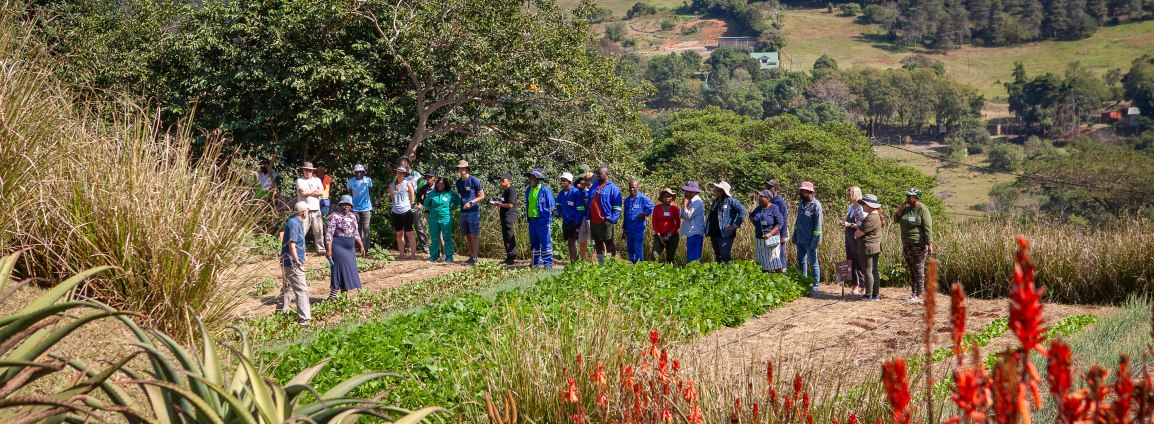
If you’ve ever taken the time to sit down with an African farmer to hear their story, the subject will very soon turn to their significant challenges. If you enter more fully into those challenges, you will soon hear a lot of discouragement and despair. All over Africa, the land is no longer producing according to the abundance that was originally intended by God. There doesn’t seem to be any difference across cultures and countries in the challenges that are faced by African farmers. In general, the challenges are similar and widespread. With their own eyes, farmers are seeing the degradation of soil, catastrophic erosion, lack of fertility, huge problems of pest and disease, as well as the tiring issue of dealing with weeds.
Inundo Development exists to train farmers and leaders using a tool called Farming Gods Way in order to bring solutions for the current challenges of agriculture in Africa, teach restoration of the soil, as well as release the abundance that is possible from the land.
Kerry Wiens
When you take the time to hear these challenges, your heart can only be moved by compassion and an earnest desire for solutions. There are solutions, significant solutions that could radically change the picture of agriculture all over Africa, and that could transform Africa from a continent that depends on international aid to a continent that could potentially provide exports of food to the rest of the world. The solution is in radical transformation of the methods of small scale farmers all over the continent. It is a move away from heavy ploughing and a dependence on chemical fertilizers. And a move towards minimum tillage, organic inputs, mulch cover, and crop rotations.
This transformation in agricultural methods necessitates an investment in the training of small scale farmers. Inundo Development exists to train farmers and leaders using a tool called Farming Gods Way in order to bring solutions for the current challenges of agriculture in Africa, teach restoration of the soil, as well as release the abundance that is possible from the land.
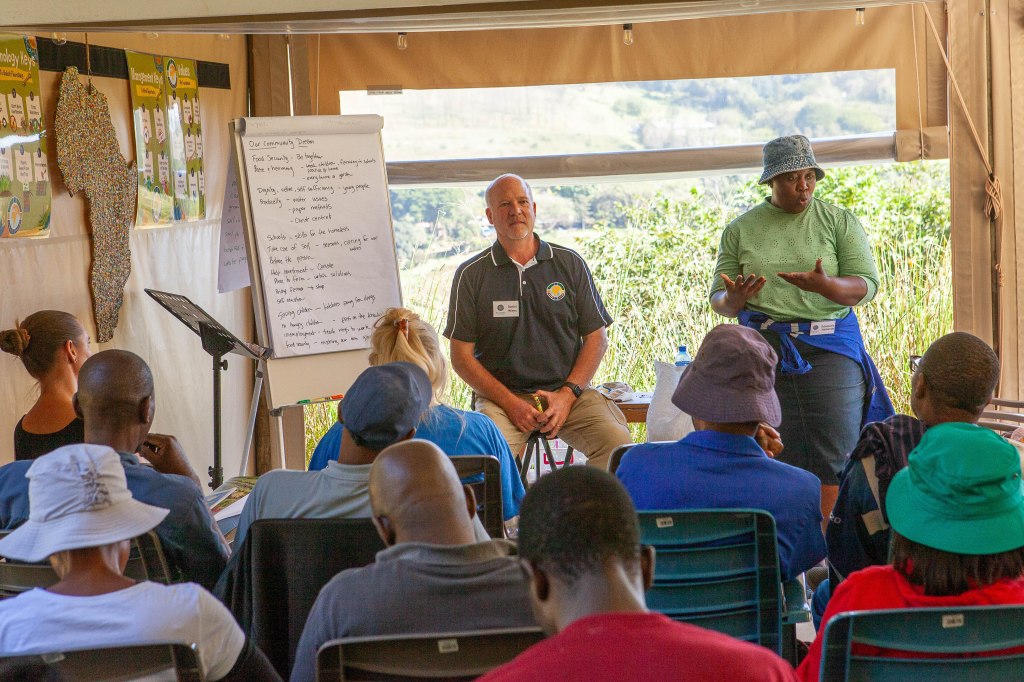
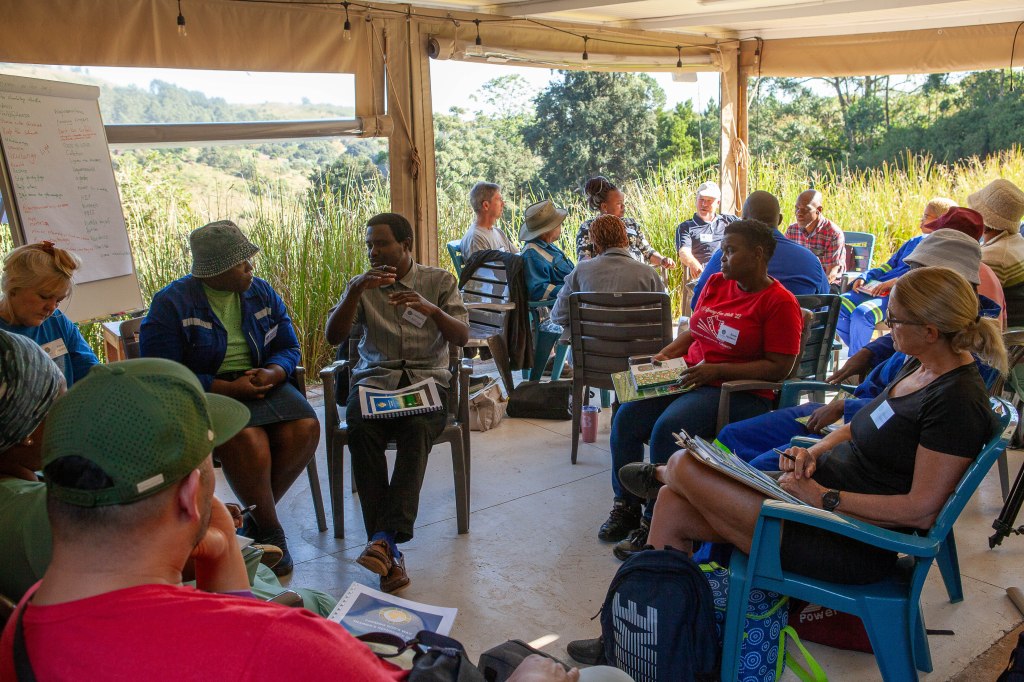
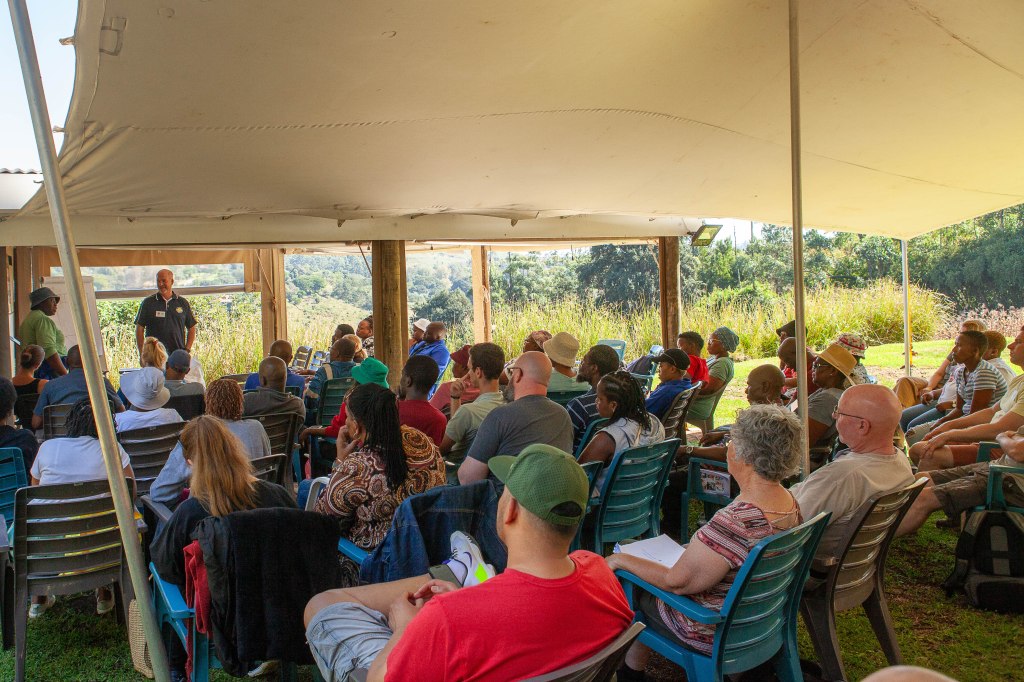
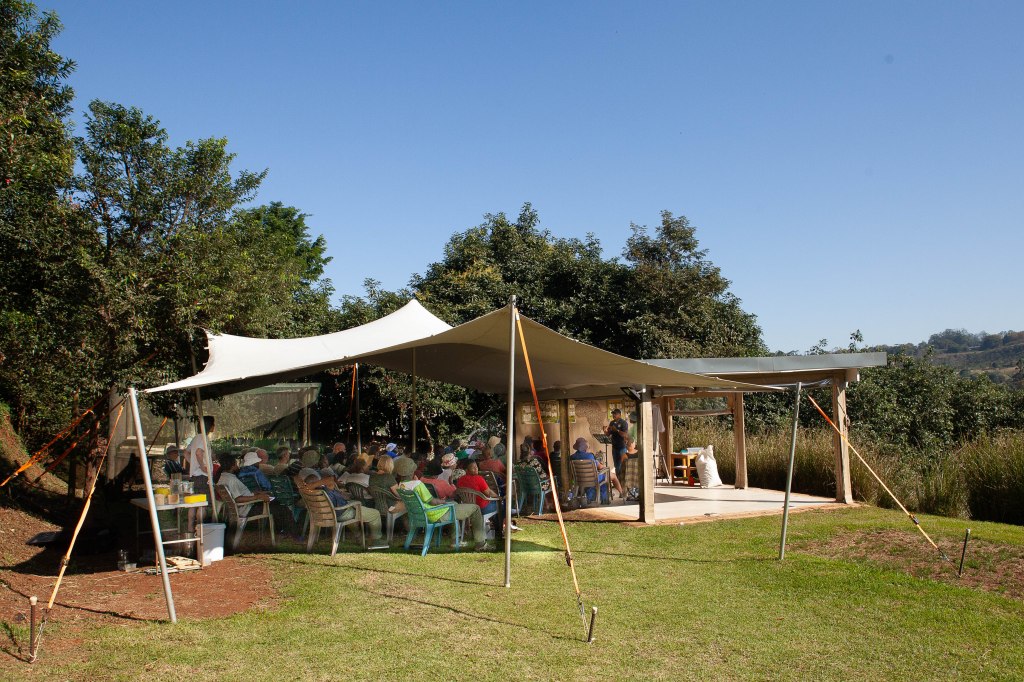
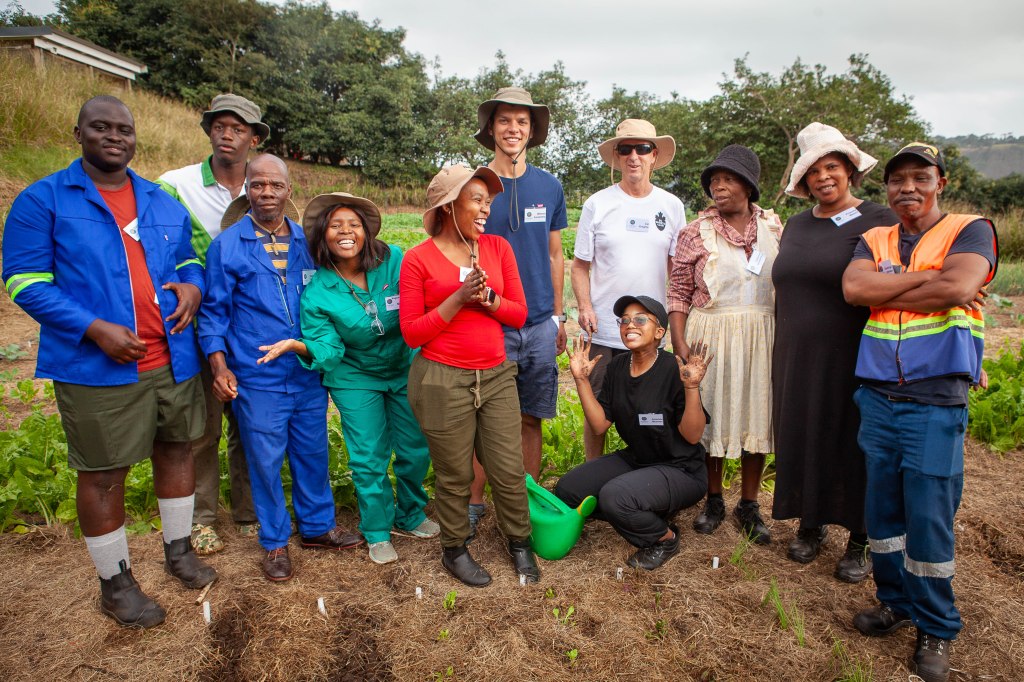
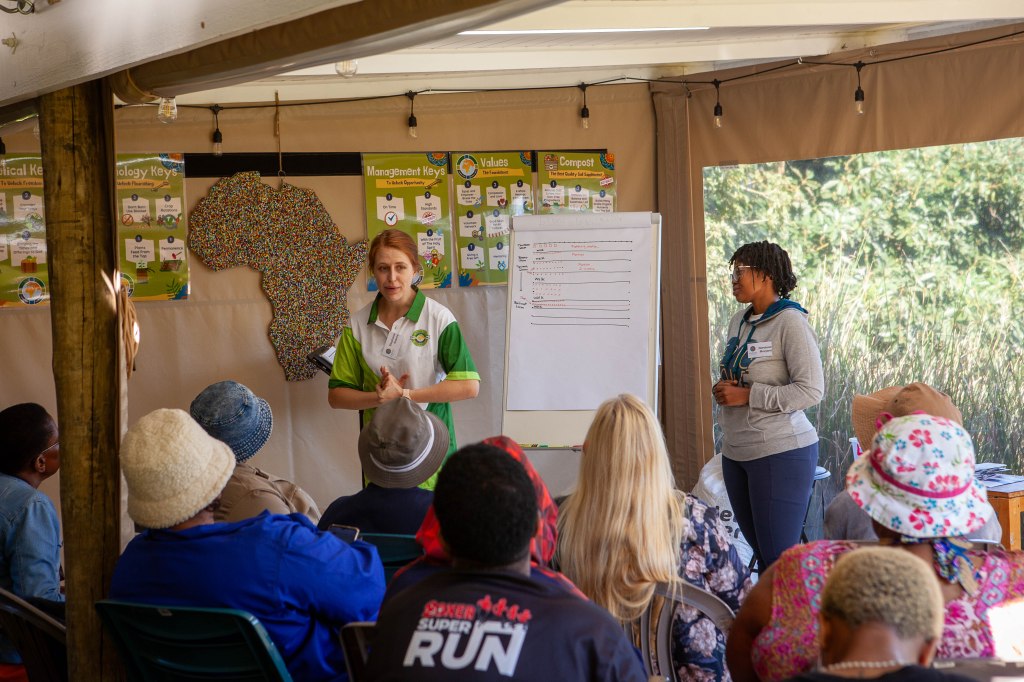
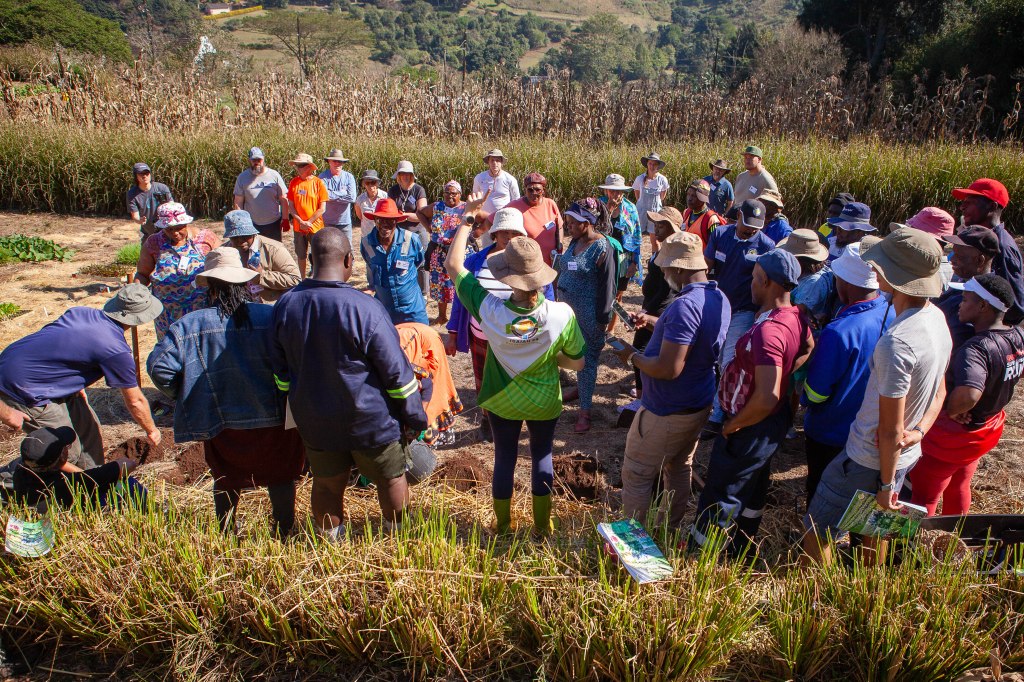
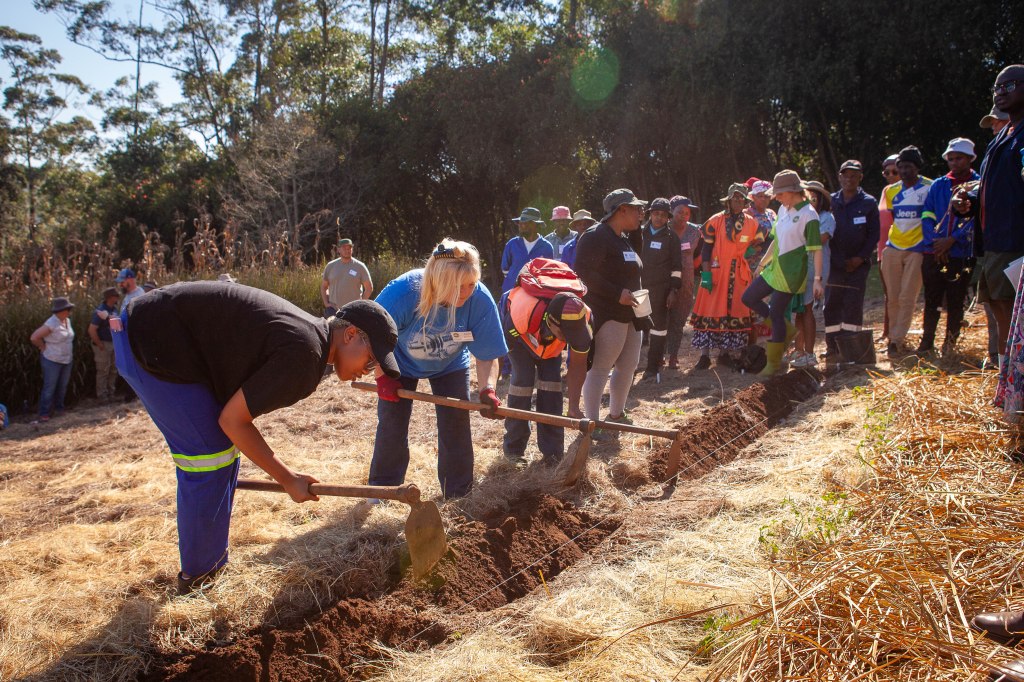
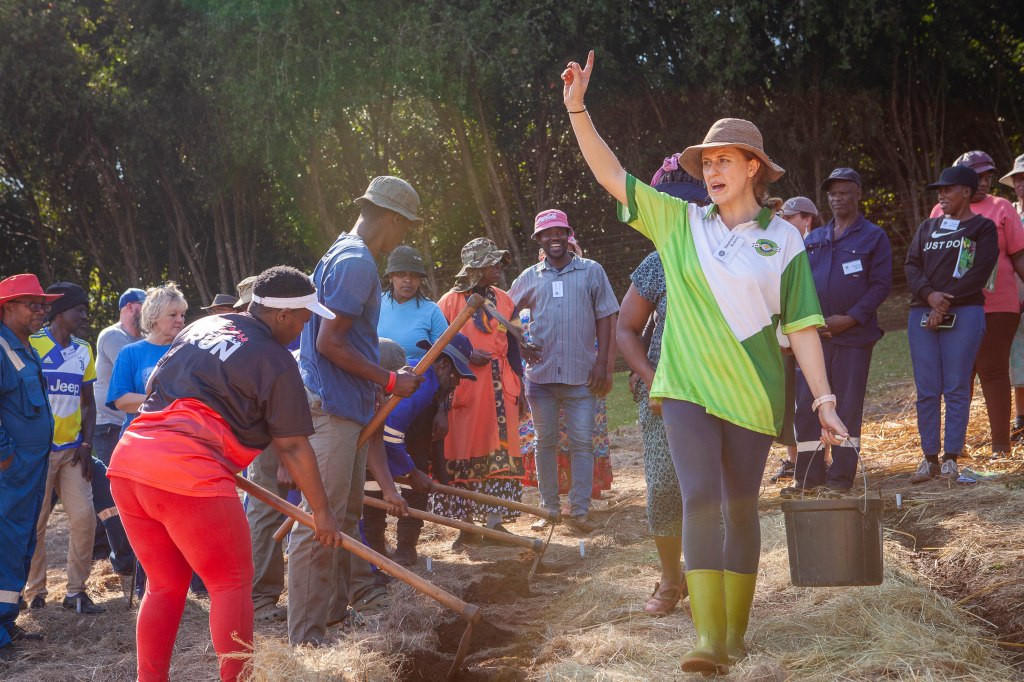
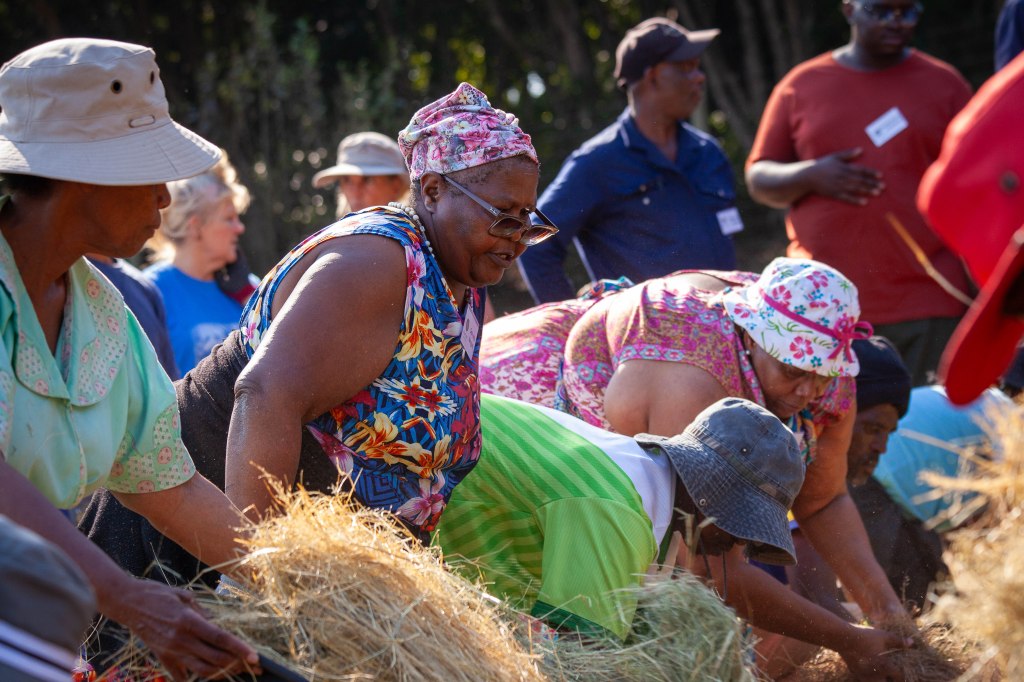
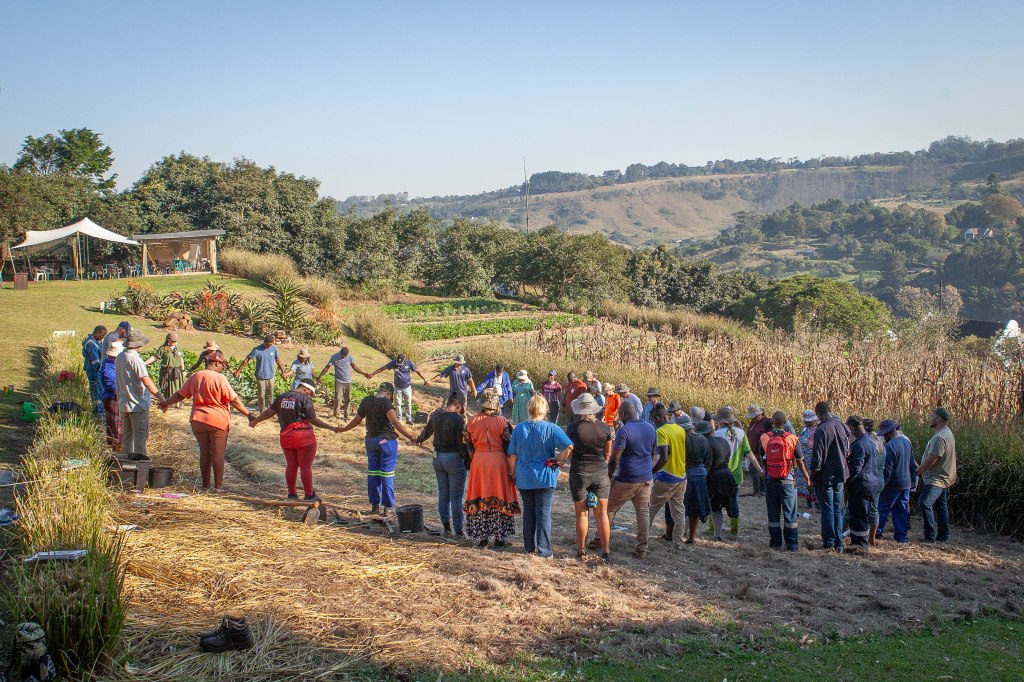
We recently held a training for five days at the model farm in Assagay Durban and were thrilled with the results. Many people would agree that change is difficult. We need to understand that farming in Africa has hundreds of years of history and for generations people have farmed the land and been taught by their predecessors. At Inundo, with our passion for agricultural revitalization, we have learned that holding a relational value is very important. People need support and trusted resources in order to contemplate changing everything that they know.
The solution is in radical transformation of the methods of small scale farmers all over the continent. It is a move away from heavy ploughing and a dependence on chemical fertilizers. And a move towards minimum tillage, organic inputs, mulch cover, and crop rotations.
We are now choosing to do full five day trainings in order to give people the time to develop relationships and experience a safe place for considering the massive changes that need to take place in order to bring about the revitalization that we are hoping for. It is also meaningful to take some time while getting to know each other to talk about dreams and aspirations for families and communities. In the day-to-day struggle of poverty in Africa it is very easy to lose sight of what could be. We believe that God is always at work, and that he desires to bring hope and healing all over the continent of Africa. It is good to dream together about what is possible.
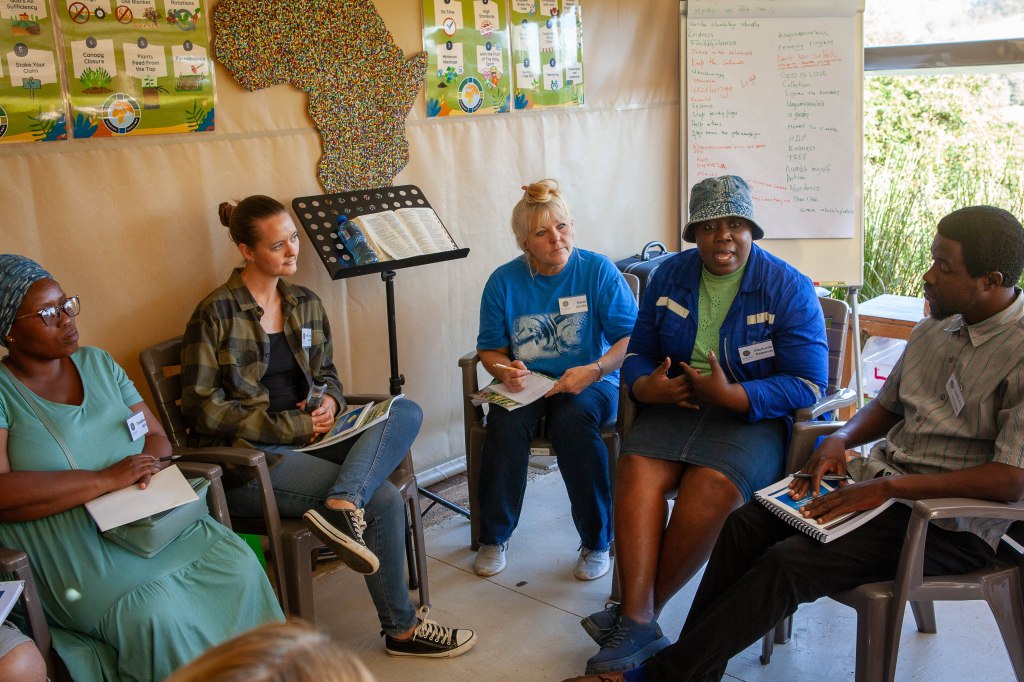
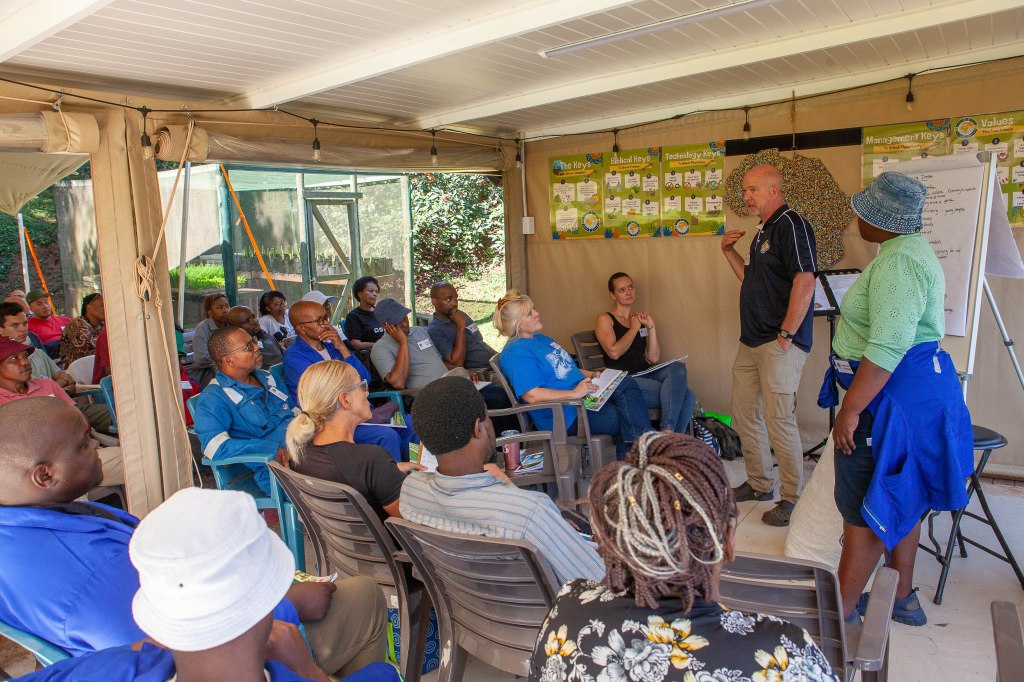
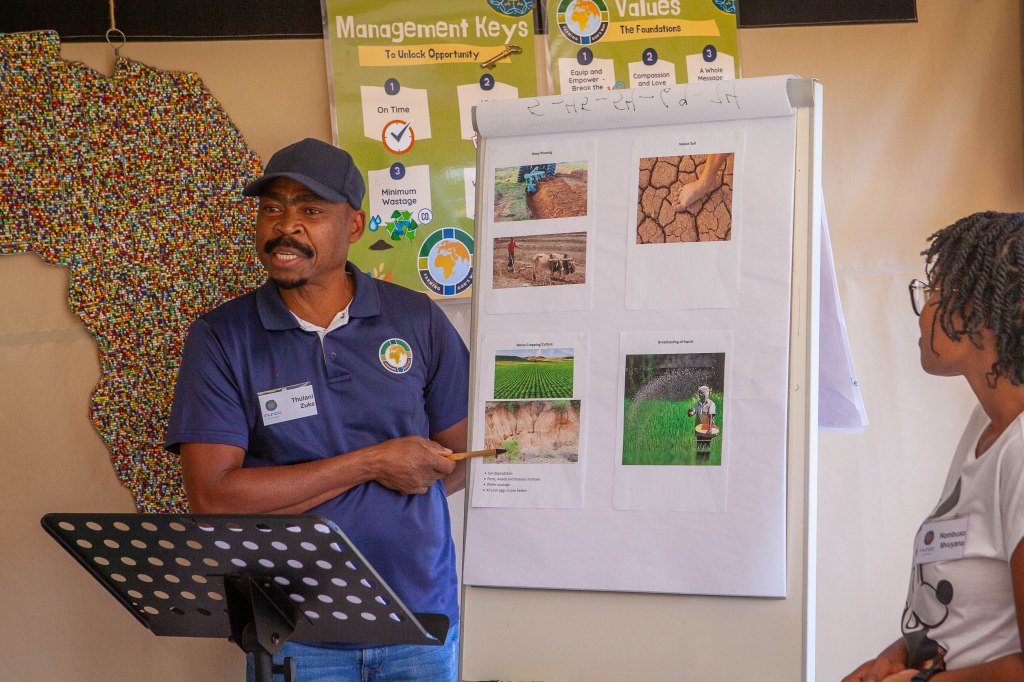
One of the most eye-opening experiences in our five day Farming Gods Way trainings is the water runoff demonstrations. In this demonstration, we show people in a tangible way how quickly soil is eroded with a heavy rainfall. We then compare the difference of what a covered soil does in a heavy rainstorm, and we see the dramatic reduction in both water runoff and soil erosion in a rain event due to the mulch cover. It is something to see peoples eyes open widely as they realize the impact of rain on uncovered soil. These demonstrations are the beginning of some significant mindset changes when it comes to considering the methods that we use on our land.
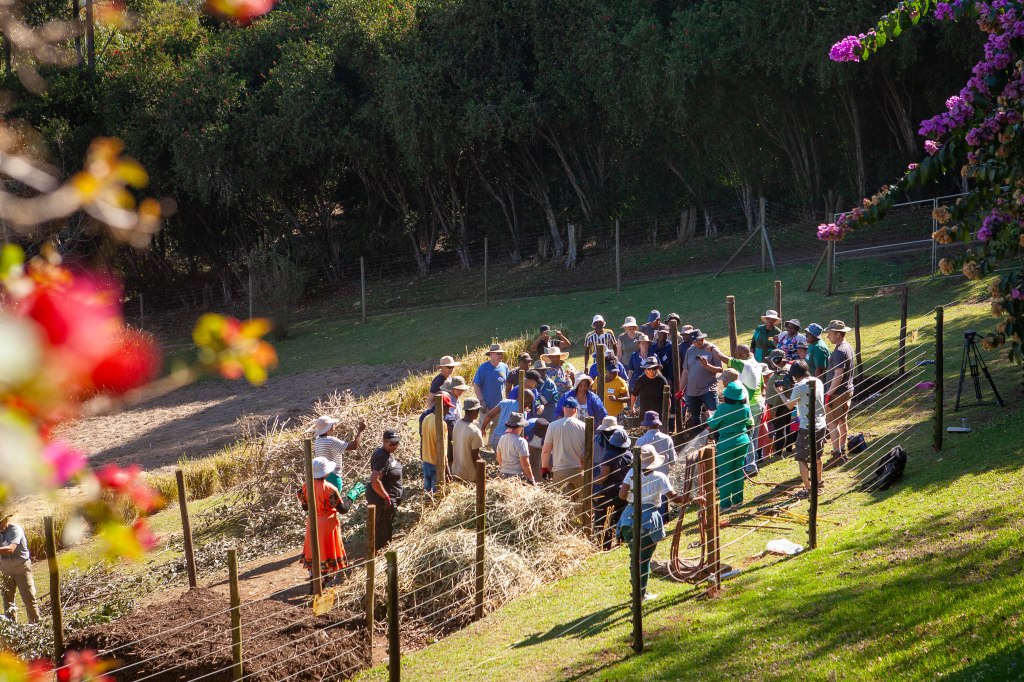
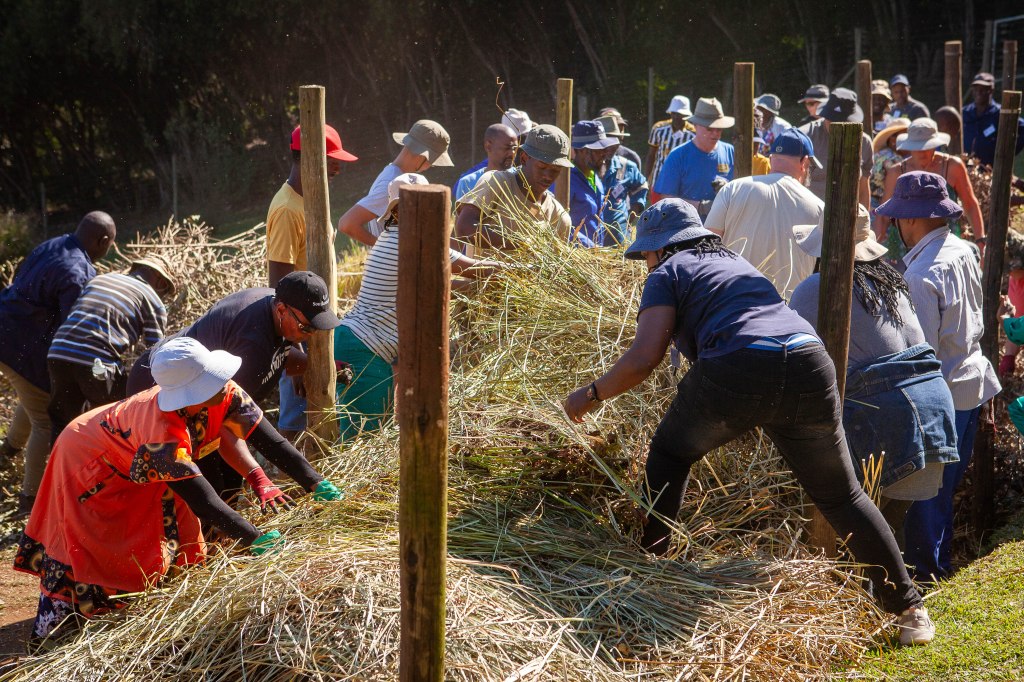
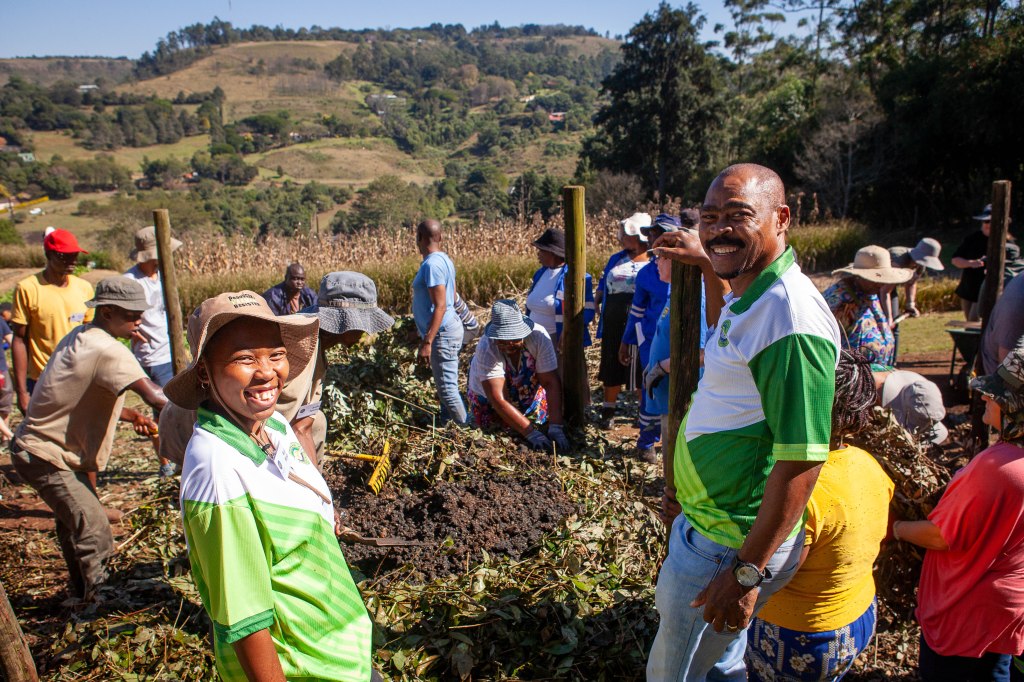
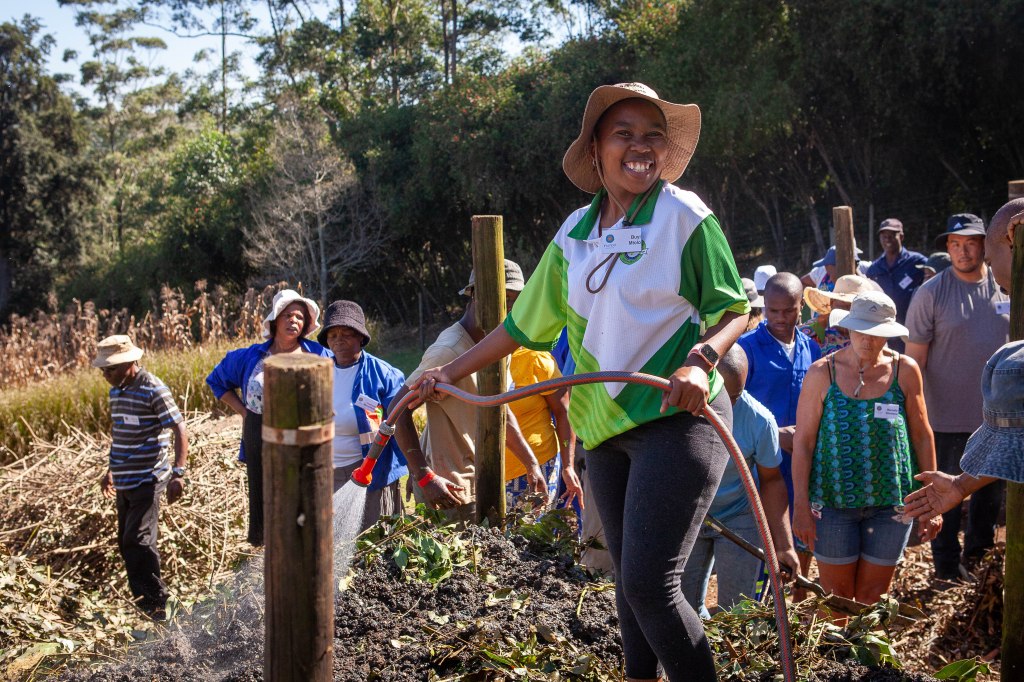
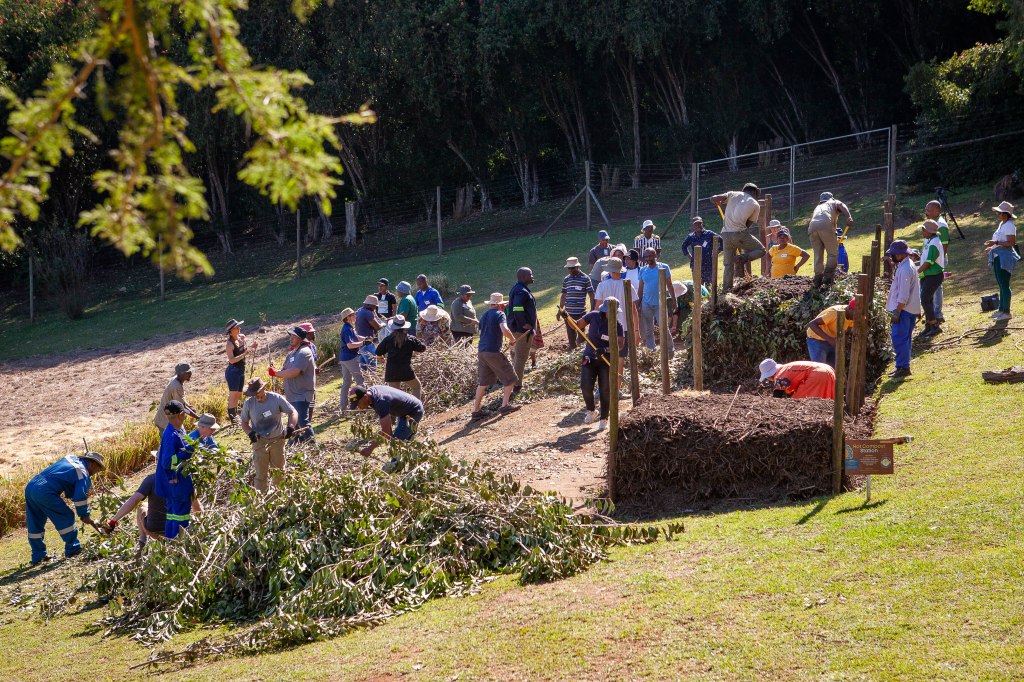
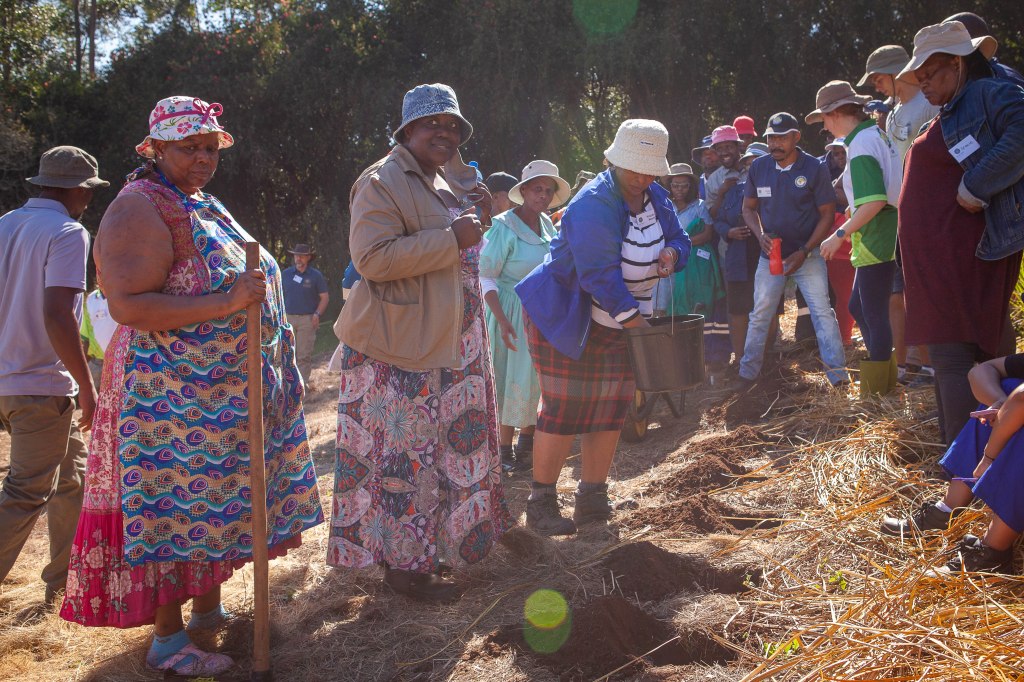
We had such a wonderful group of people for the May training and they came from all over South Africa. There were many insightful questions and a visible passion for learning. As we addressed the challenge of expensive fertilizers, we taught people how to make their own compost. In order for the compost to be made on a large scale we taught the hot composting method which makes a larger amount of compost in a shorter amount of time.
From beginning to end compost can be ready in six months. All of the ingredients that are used in a compost pile are readily collected within communities and even on peoples farms. Material such as leaves and grass is used as the dry component. Woody material, which includes small sticks is the second component. Green material, which includes freshly cut leaves and bushes and other plants is another essential component. Finally fresh manure brings a nitrogen component. The value of the final compost product is significant. Compost greatly increases the water holding capacity of the soil and provides all of the nutrients necessary for plants to thrive and to produce crops of the highest nutritional value.

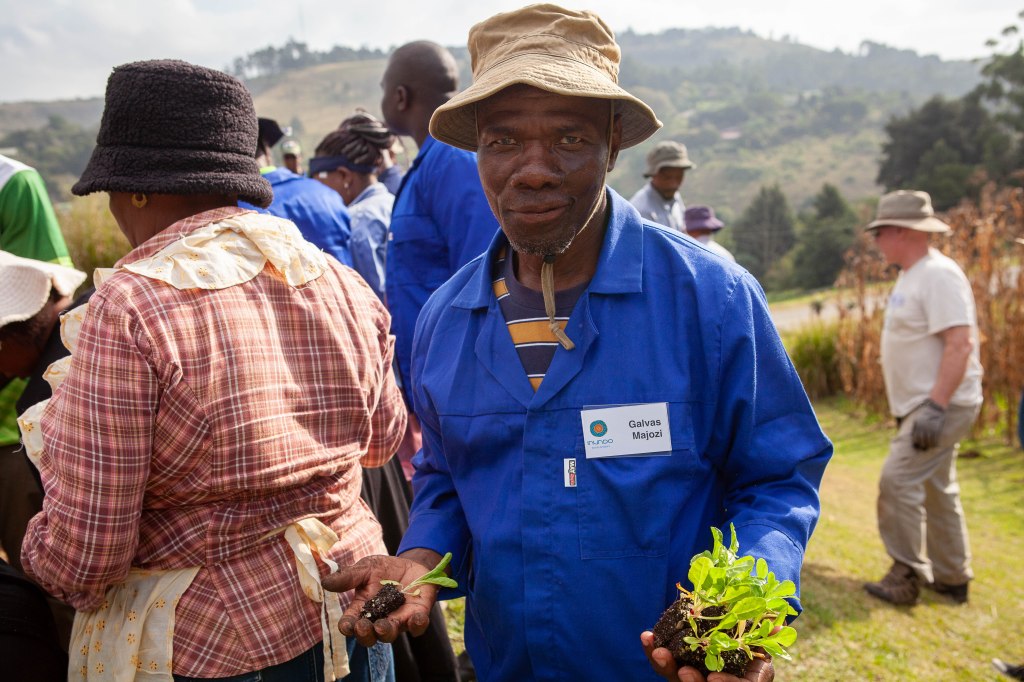
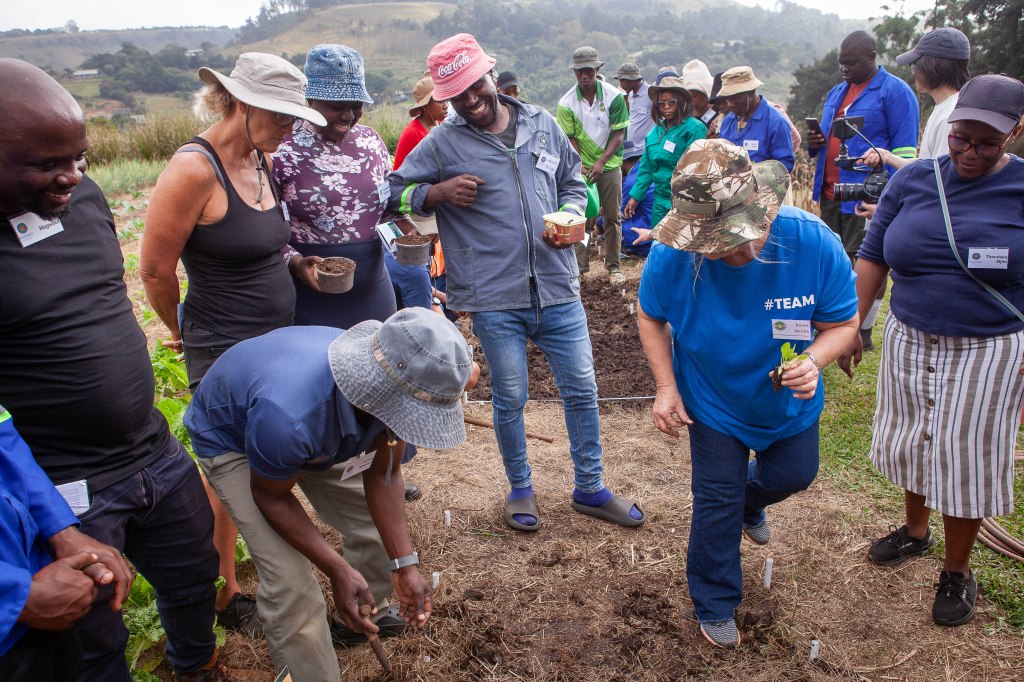
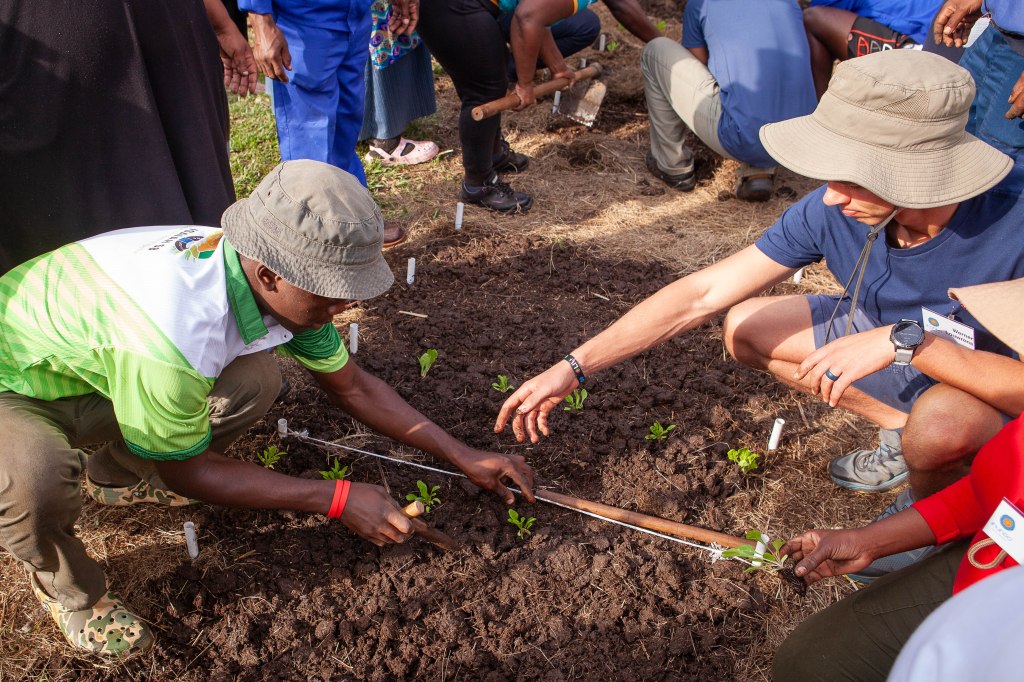
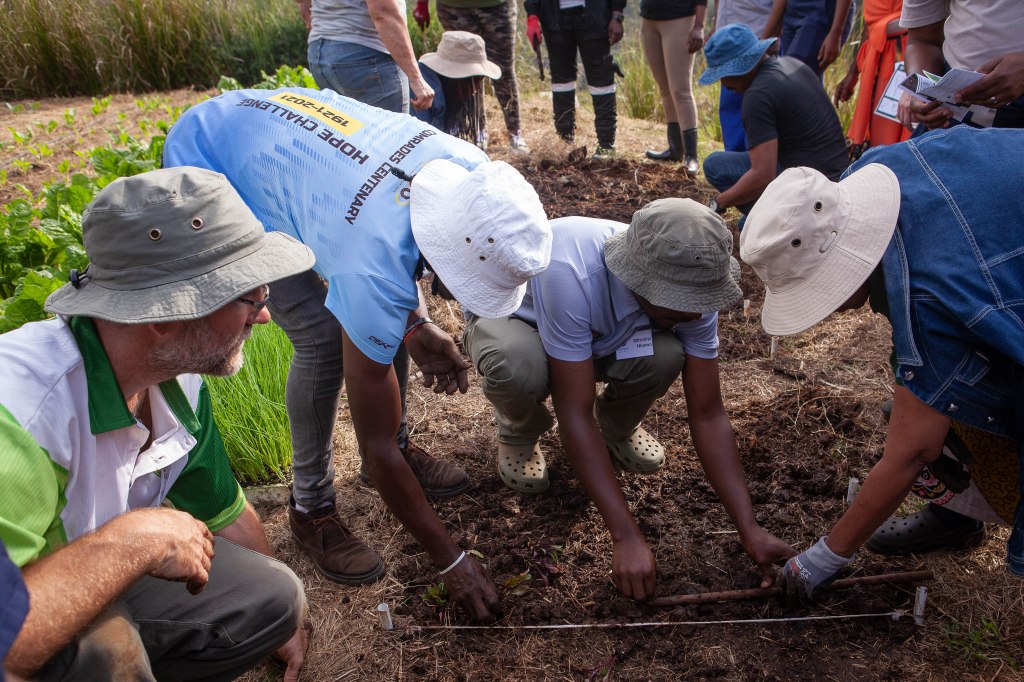
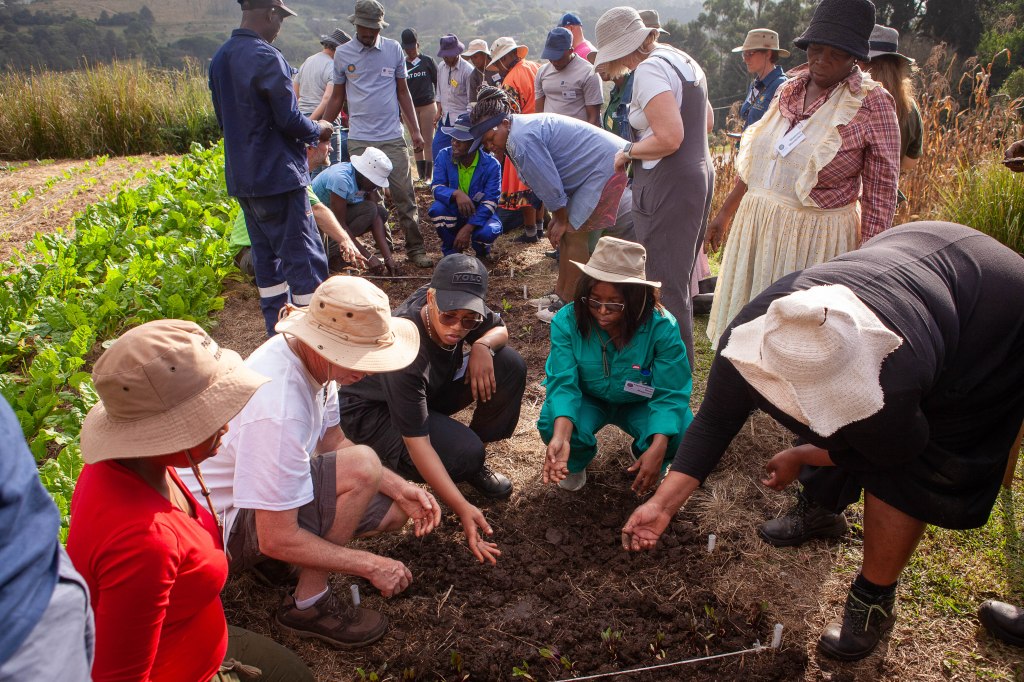
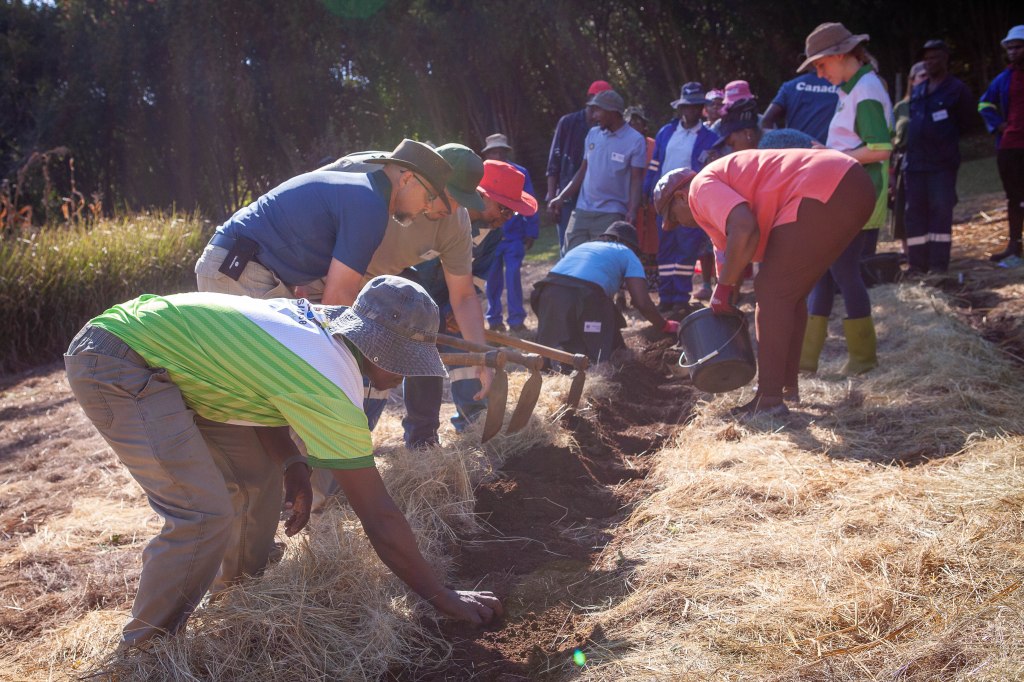
Perhaps the greatest challenge in our trainings is to teach people how to plant without ploughing. The general thinking is that you have to heavily disturb the soil in order to get it ready for seed or seedlings. Science has shown us that heavy tilling of the soil destroys the soil structure and Africa as a continent is behind in understanding this important technology development. So we have to help people to understand how to plant without ploughing using different planting methods depending on the size of the plant.
In May, we worked with people in a step-by-step approach. People attending the training will not be able to start planting with compost, but they can still plant using manure. Manure has a very powerful form of nitrogen which burns young stems and roots, and so planting with manure requires special knowledge in order to use it without burning. We taught those manure methods and then we encouraged people to work towards having their own compost.
There is an important need for this type of training all over Africa, and Inundo is heavily involved in training other trainers in order to maximize the impact. Within the networks of Inundo and Farming God’s Way, we dream of seeing thousands of trainers all over Africa. Training a trainer takes time and it takes a minimum of three years to become an accredited Farming Gods Way trainer. Growing food takes expertise and Inundo works hard to train up trainers that have a level of understanding that will serve them in all their interactions with farmers and leaders. We understand that currently the predominant experience of farmers in Africa is discouragement and lack of success. We need to make sure that the methods that we teach are easily applied and that they bring visible improvement and guaranteed success.
We caution any involvement in training for food cultivation that does not have solid expertise and knowledge behind it. The correct principles, when applied to growing food, will actually see the return of fertility to the soil, dramatic reduction in soil erosion and water runoff, the reduction of dependence on chemical fertilizers and less pest and disease pressure.
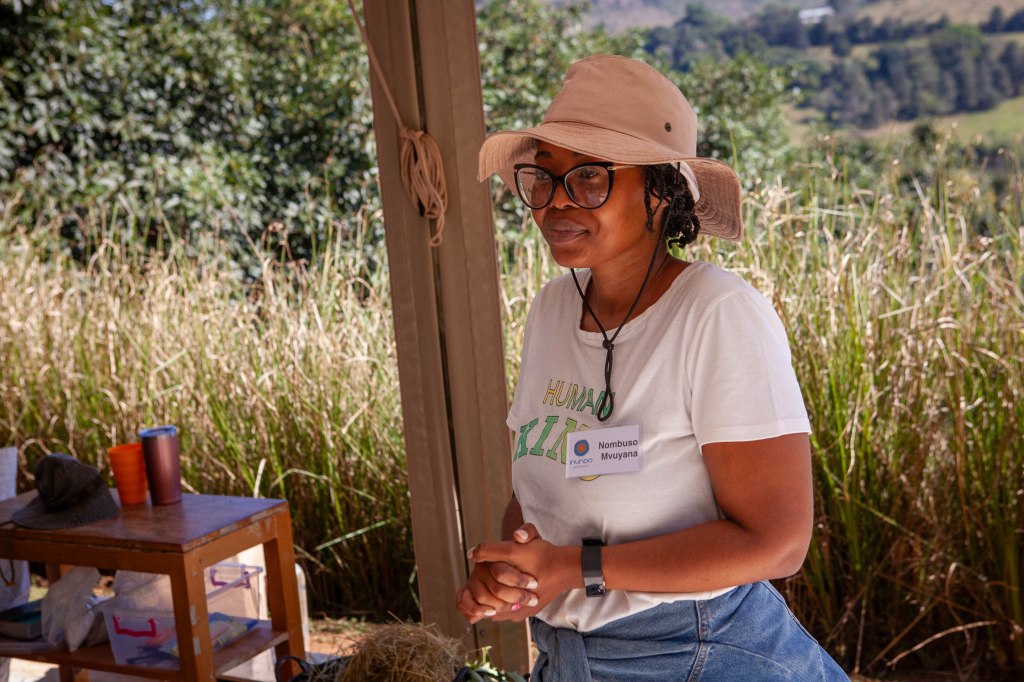
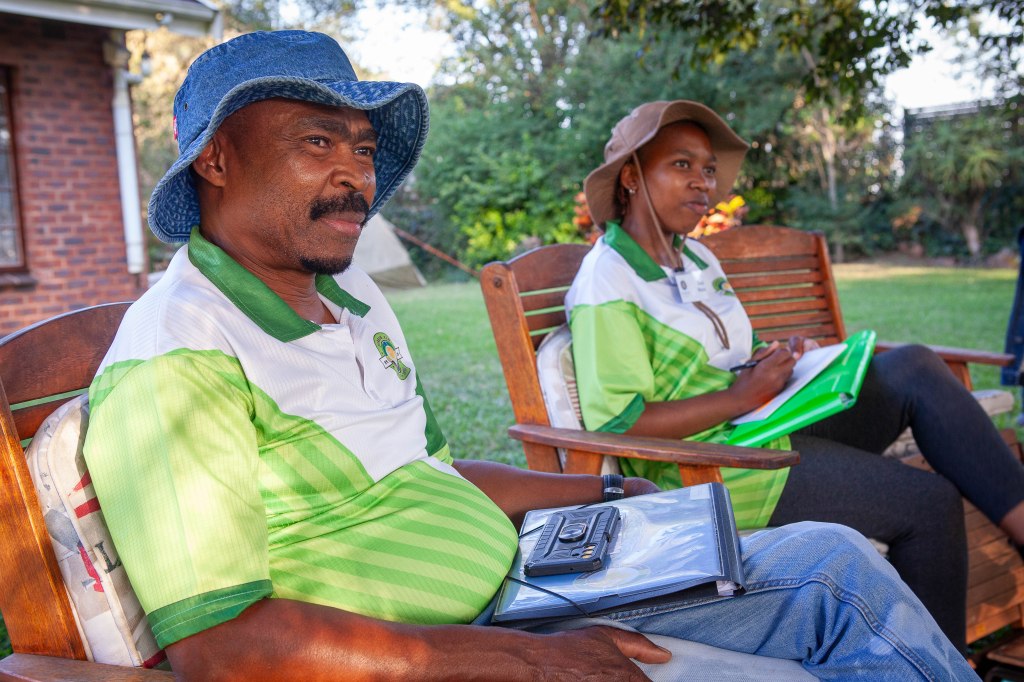
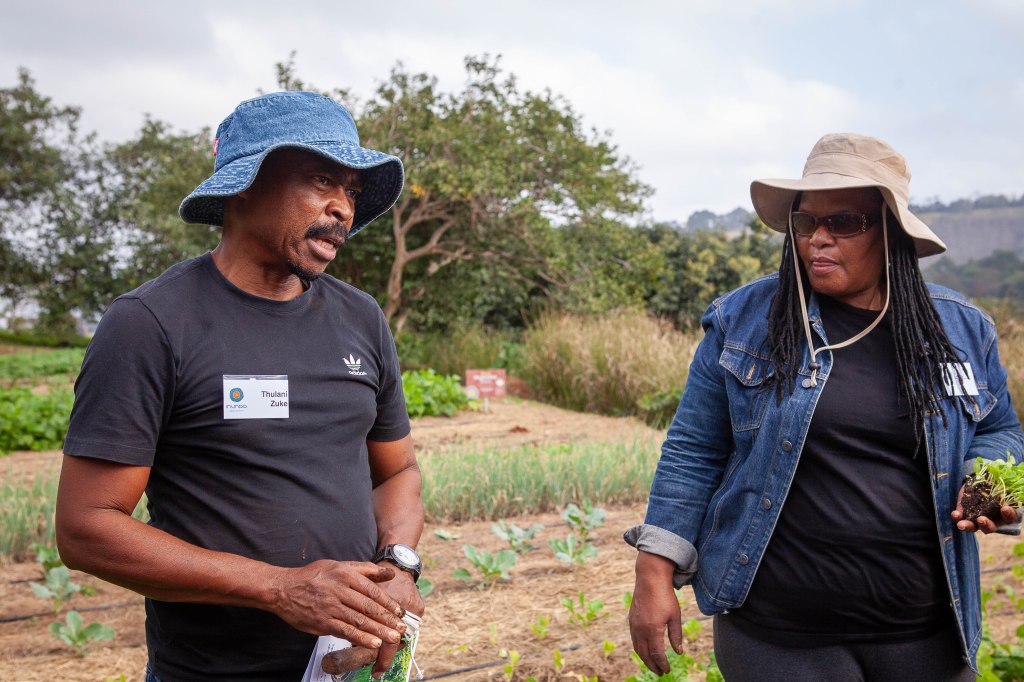
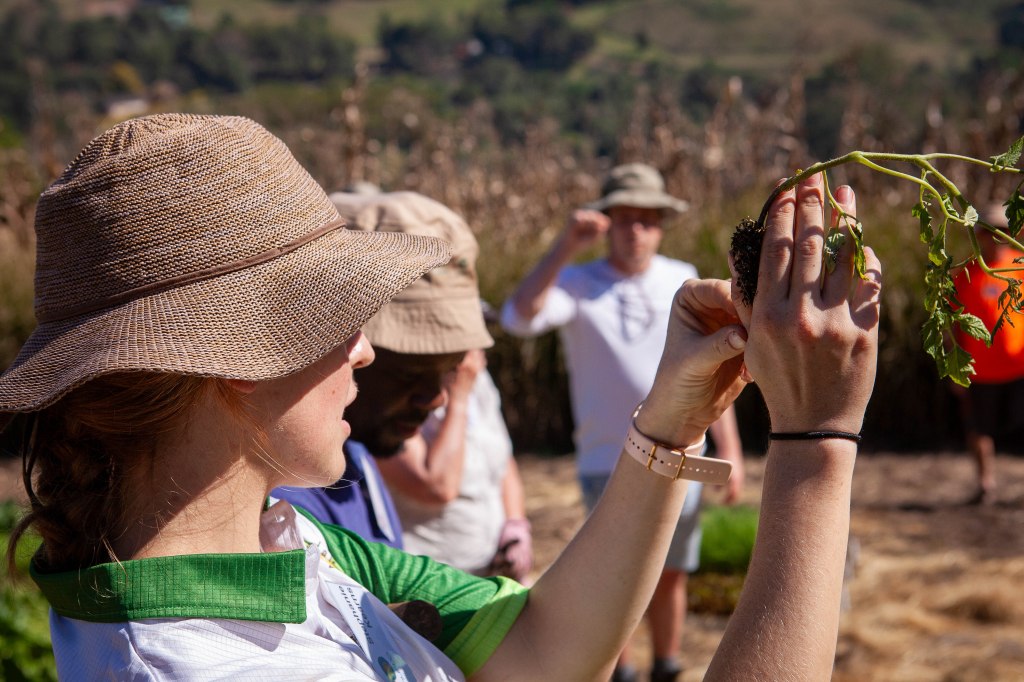
In May, it was inspiring to have most of the training done by trainers in training. Essentially, this training served two purposes. One purpose was to train farmers and leaders. The secondary purpose was to give trainers in training an opportunity to grow in their experience and skill. We had six trainers at different levels of development and each one of them made incredible progress in their training development. We had trainers like Buyi and Nombuso who trained for the very first time. And then we had trainers like Stephanie, Colin and Thulani, who are already quite far along in their training journey. None of this could happen without excellent translation and Sduduzile was one of our main translators. We are in the process of inviting Sdu into the training development journey as well.
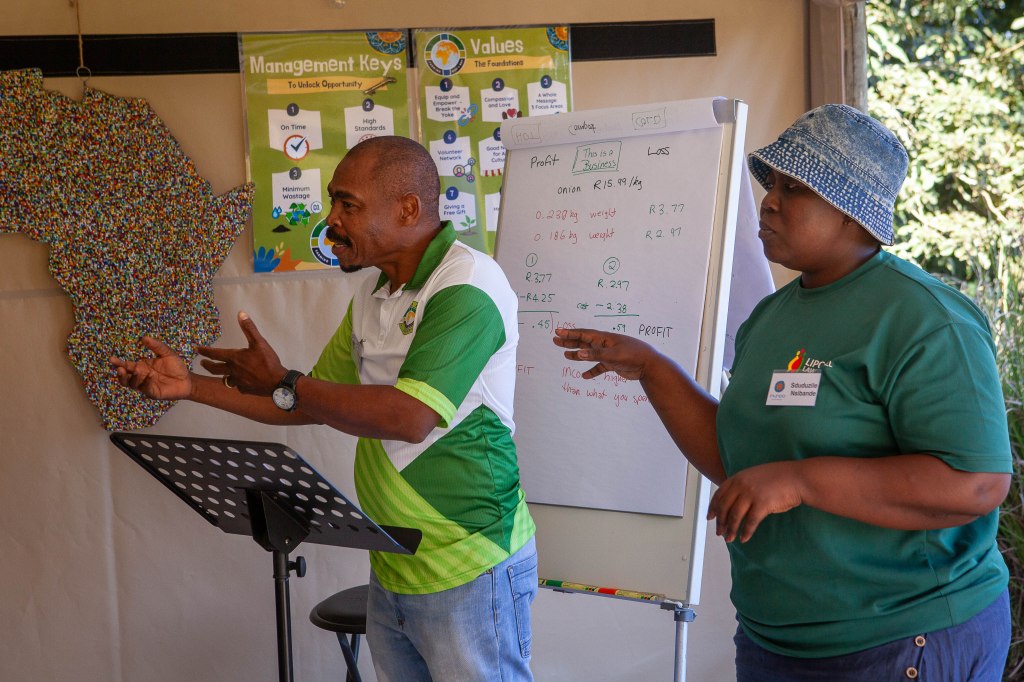


There is a spiritual component in every training. We acknowledge God as the master farmer and we look at creation for revelation in how the amazing cycles of nature perpetuate harmony and abundance. It is human actions and lack of care that has resulted in deforestation and land degradation. We also believe that in order to empower people they need to understand that they have a God-given identity and that he sincerely desires to help them in wisely utilizing the natural resources available for their abundant benefit. Within daily life in South Africa, there are regular curses and magic potions that are used to limit success of neighbours and community members. If we do not give people the tools to face their fear of curses, they will never be fully empowered to overcome the fears that hold them back.
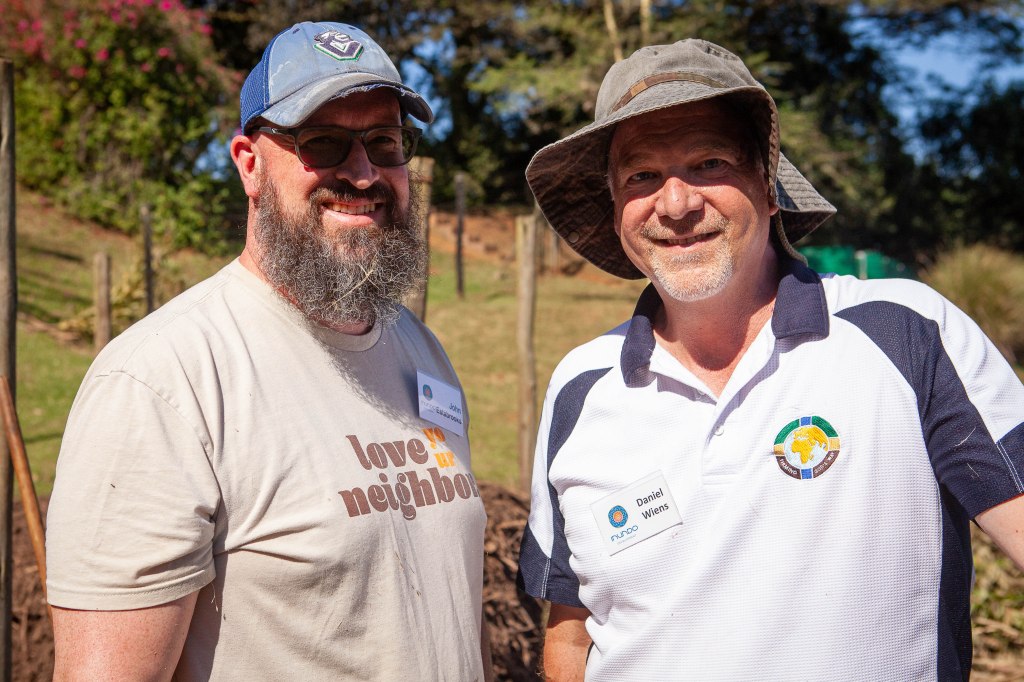
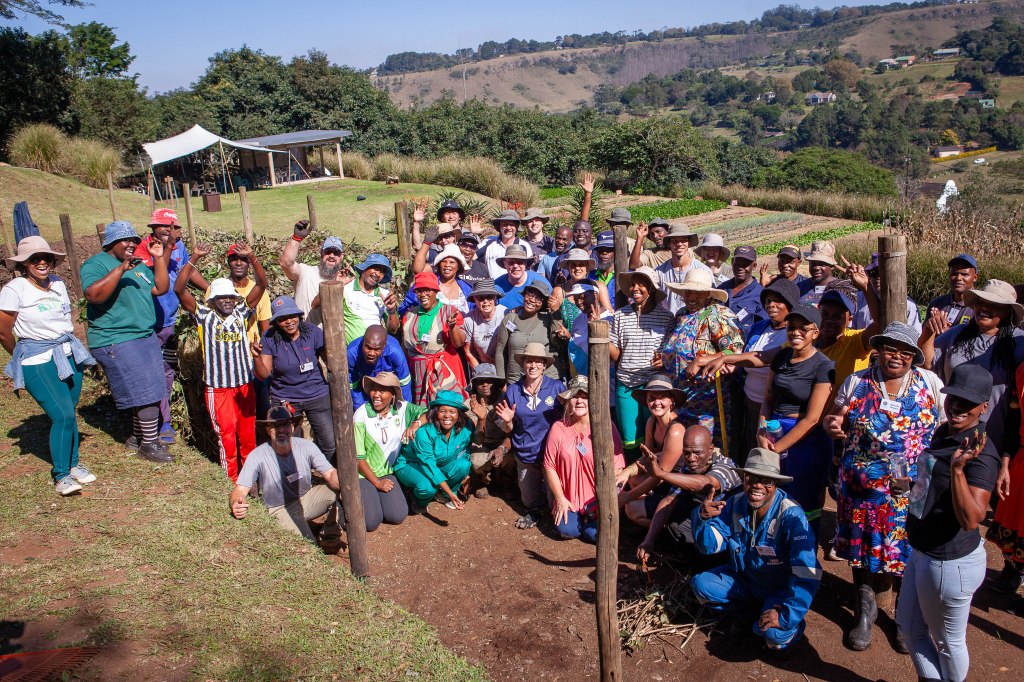
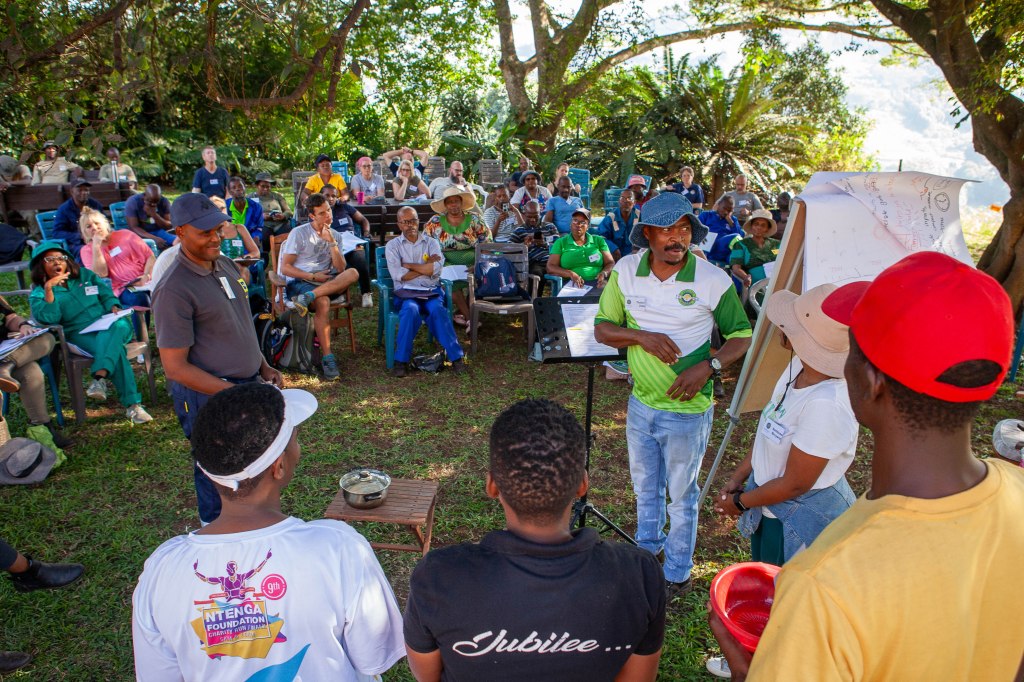
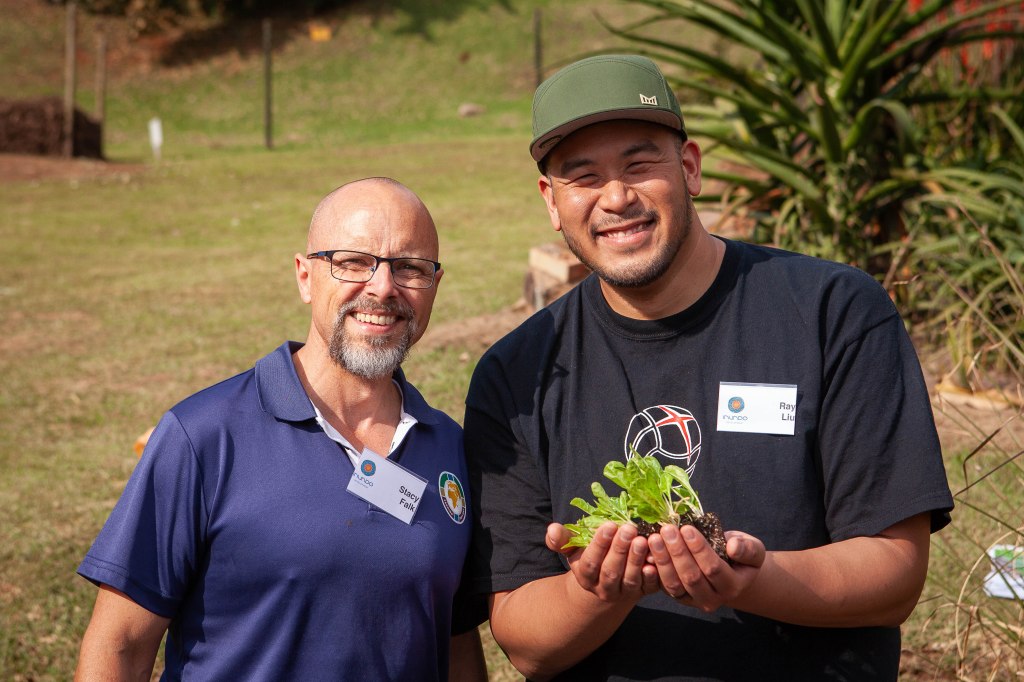
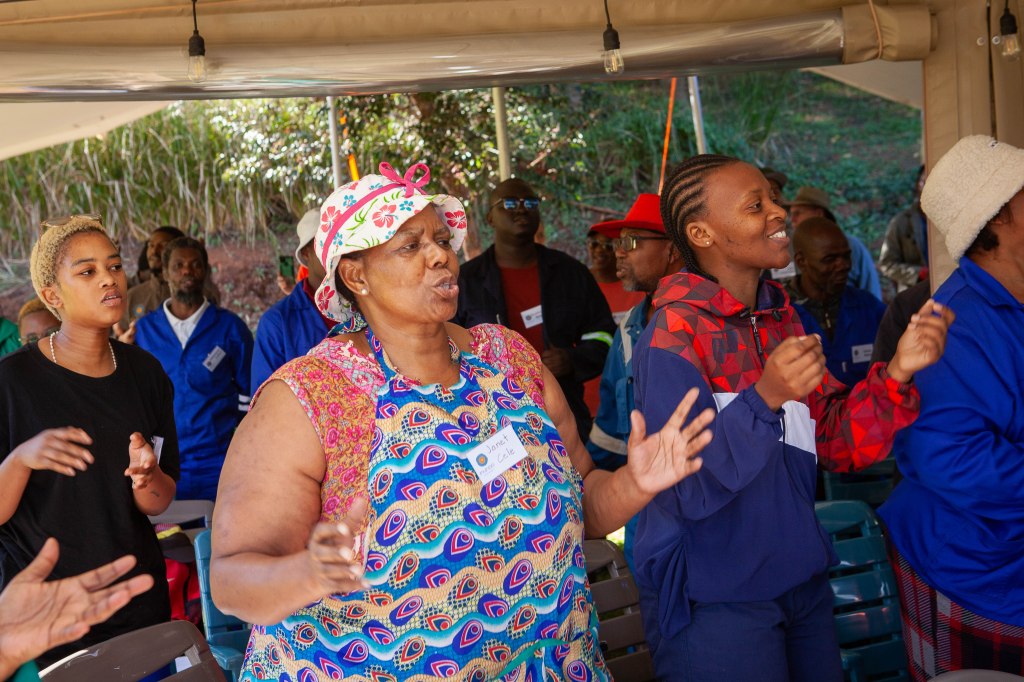
When we come to the end of a five day training as we did in May there is an amazing sense of having gone on a journey with a group of awesome people. We had over 50 people at our May training. We had Canadians joining us to learn alongside South Africans. And an amazing sense of community was built during the week. At the end of such a fruitful week, there is a time of commissioning each person to go out and be Light and Hope in their communities. God calls us to build his kingdom and to bring good news to the poor and the oppressed. In an area as foundational as food, there are huge opportunities for us to be catalysts in changing situations of devastation and famine into situations of restoration and Hope.
Training people to grow food sustainably is a foundational building block in transforming the landscape of wellbeing in Africa. Because of the fundamental nature of nutrition, food cultivation and supply can become a tense political issue. There are numerous examples of political corruption restricting food supplies we are now choosing to do full five day training order to give people the time to develop relationships G and limiting the rights of farmers. Inundo continues to empower people to know their rights, activate their talents, and apply their new skills. We pray that as people learn to steward the abundance that already exists in Africa that it will result in a tidal wave of overflow within Africa and beyond.





 Inundo Development
Published by